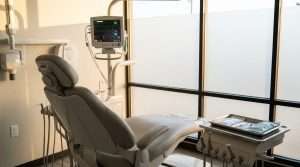
Recovery Tips After Oral and Facial Surgery: A Comprehensive Guide
Successful recovery from oral and facial surgery relies on adherence to post-operative protocols including effective pain management, infection control, and dietary modifications. Patients should prioritize rest, head elevation to reduce swelling, and strict oral hygiene practices. Understanding the phases of healing ensures a safe return to daily activities and optimal surgical outcomes.
Undergoing a surgical procedure requires preparation not only for the operation itself but for the healing period that follows. Whether a patient has undergone wisdom teeth removal, dental implant placement, or corrective jaw surgery, the body requires time and specific care to regenerate tissue and prevent infection. Proper post-operative care significantly impacts the speed and comfort of recovery.
The following guide outlines the physiological processes of healing and provides technical, actionable advice for managing the days and weeks following oral and maxillofacial procedures.
Managing the Initial 24 Hours
The first 24 hours post-surgery are critical for establishing hemostasis (blood clotting) and managing the immediate effects of anesthesia. Following IV sedation or general anesthesia, patients may experience drowsiness and impaired coordination. It is mandatory that a responsible adult monitors the patient during this initial phase.
Bleeding Control
Minor oozing is to be expected after most oral surgeries. To encourage clot formation, consistent pressure should be applied to the surgical site using sterile gauze pads. It is advisable to bite down firmly on the gauze for 30 to 45 minutes before changing it. If bleeding persists, a moistened tea bag can be used; the tannic acid assists in contracting blood vessels.
Disturbing the blood clot can lead to complications such as alveolar osteitis, commonly known as dry socket. Patients must avoid vigorous rinsing, spitting, or touching the wound site during the first day.
Swelling Management
Edema, or swelling, is the body’s natural reaction to surgery and trauma. It typically peaks 48 to 72 hours after the procedure. To minimize this, cold therapy is recommended immediately upon returning home. Ice packs or frozen gel packs should be applied to the side of the face in 20-minute intervals (20 minutes on, 20 minutes off) while awake. This vasoconstriction helps limit fluid accumulation in the tissues.
Pain Management Protocols
Discomfort is a normal component of the healing process, but it can be effectively managed with the correct pharmacological approach. The level of pain management required often depends on the complexity of the procedure, such as whether bone grafting was performed or if the surgery involved simple tooth extractions.
Prescribed analgesics should be taken exactly as directed. Ideally, the first dose of pain medication should be taken before the local anesthesia wears off to prevent the onset of acute pain. For moderate discomfort, over-the-counter non-steroidal anti-inflammatory drugs (NSAIDs) like ibuprofen are often effective in reducing both pain and inflammation, provided they are not contraindicated by the patient’s medical history.
It is important to note that nausea can be a side effect of stronger narcotic pain medications. Ingesting a small amount of food prior to taking medication can mitigate gastric distress.
Dietary Modifications and Nutrition
Nutrition plays a vital role in wound healing. The body requires adequate protein, vitamins, and minerals to repair tissues. However, the mechanical act of chewing must be restricted to protect the surgical site.
Hydration
Maintaining hydration is essential. Patients should drink plenty of fluids, such as water and clear juices. However, the use of straws is strictly prohibited for the first week. The suction created by using a straw can dislodge the blood clot, leading to bleeding and delayed healing.
Soft Food Guidelines
A non-chew diet is recommended for the first few days. Suitable foods include:
- Yogurt and applesauce
- Smoothies (consumed with a spoon)
- Mashed potatoes
- Scrambled eggs
- Broths and lukewarm soups
As healing progresses, patients may transition to semi-solid foods. Crunchy, spicy, or extremely hot foods should be avoided until the surgeon clears the patient for a normal diet. Patients recovering from facial trauma surgery or extensive oral pathology treatments may require a liquid diet for a more extended period.
Oral Hygiene and Infection Prevention
Keeping the mouth clean is paramount to preventing infection, yet the surgical site must be treated delicately. On the day of surgery, brushing teeth adjacent to the surgical site should be avoided. Beginning the day after surgery, patients should gently brush their teeth, exercising caution near the wound.
Warm saltwater rinses are highly beneficial starting 24 hours post-operation. A solution created by mixing half a teaspoon of salt with a cup of warm water helps soothe gum tissue and wash away food particles. This should be done gently after every meal and before bed. Commercial mouthwashes containing alcohol should be avoided as they can irritate healing tissues.
In some cases, such as after periodontal surgery or dental implant surgery, a prescription chlorhexidine gluconate rinse may be provided. This should be used specifically as directed to reduce bacterial load in the oral cavity.
Activity and Rest
Physical exertion increases blood pressure, which can restart bleeding at the surgical site. For the first few days, rest is the primary activity. Patients should keep their head elevated with pillows when lying down to reduce hydrostatic pressure in the head and neck, thereby reducing swelling.
Strenuous exercise, heavy lifting, and bending over should be avoided for at least 3 to 5 days, or longer depending on the severity of the surgery. A gradual return to normal routine is encouraged, listening to the body’s signals. If throbbing or bleeding occurs during activity, it is a sign to cease immediately and rest.
Specific Considerations for Different Procedures
While general recovery principles apply broadly, specific procedures carry unique considerations.
Dental Implants
Successful dental implants rely on osseointegration—the fusion of the implant with the jawbone. Putting pressure on the implant too early can jeopardize this process. Patients must strictly avoid chewing on the side of the implant until instructed otherwise.
Sinus Lifts
For patients who have undergone a sinus lift procedure, avoiding changes in sinus pressure is critical. Patients should avoid blowing their nose forcefully and, if sneezing is unavoidable, should do so with the mouth open to prevent pressure buildup in the sinus cavity.
TMJ Surgery
Recovery from TMJ surgery often involves physical therapy exercises to regain jaw mobility. However, these exercises should only be performed under the guidance of the surgeon to prevent strain on the joint capsule.
Identifying Warning Signs
While pain and swelling are normal, certain symptoms warrant immediate communication with the surgical team. Elevation Oral & Maxillofacial Surgery advises patients to contact the office if they experience:
- Uncontrollable bleeding that does not subside with pressure.
- Fever exceeding 101°F (38.3°C).
- Persistent numbness that lasts longer than the expected duration of the anesthesia.
- Difficulty breathing or swallowing.
- Adverse reactions to prescribed medications, such as severe rash or vomiting.
Prompt attention to these signs ensures that complications are managed effectively, safeguarding the patient’s health.
Tobacco and Alcohol Restrictions
Nicotine is a vasoconstrictor, meaning it narrows blood vessels and reduces blood flow to the healing tissues. Smoking or using vaping devices significantly increases the risk of infection, implant failure, and dry socket. It is strongly advised to refrain from smoking for at least 72 hours, though abstaining for a week or longer yields better healing results.
Alcohol should be avoided for at least 24 hours after surgery and completely avoided while taking narcotic pain medication, as the combination can cause dangerous respiratory depression.
Final Thoughts on Recovery
Recovery is a biological process that cannot be rushed, but it can be optimized through diligent care. By adhering to these guidelines regarding rest, hygiene, and nutrition, patients create the ideal environment for the body to heal itself. Elevation Oral & Maxillofacial Surgery is dedicated to providing superior surgical care and supporting patients through every stage of their recovery journey.
This article was brought to you by Elevation Oral & Maxillofacial Surgery. We provide patient-centered surgical excellence, utilizing state-of-the-art technology to ensure safety, comfort, and optimal clinical outcomes for every individual we treat.
For more updates and health tips, connect with us on social media: Facebook & Instagram.