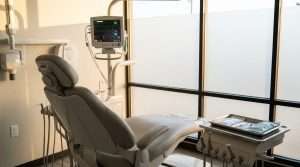
Patient Care Excellence: How to Choose the Right Oral Surgery Practice
Selecting an oral surgery practice requires a careful evaluation of the surgeon’s board certification, the facility’s technological capabilities, anesthesia safety protocols, and the transparency of the consultation process. Prioritizing these clinical and administrative factors ensures optimal surgical outcomes and a secure, comfortable patient experience at Elevation Oral & Maxillofacial Surgery.
When facing the need for oral or maxillofacial surgery, patients often find themselves navigating a complex healthcare landscape. Unlike routine dental care, oral surgery involves invasive procedures that require a higher level of specialized training, sterile environments, and advanced anesthesia modalities. Whether the treatment plan involves complex dental implant placement, corrective jaw surgery, or the removal of impacted teeth, the selection of the surgical practice is the single most significant variable in determining the success of the procedure and the quality of the recovery. Identifying a practice that adheres to the highest standards of patient care excellence involves scrutinizing specific professional qualifications and clinical protocols.
Verifying Board Certification and Surgical Training
The foundation of patient safety lies in the training and credentials of the provider. While general dentists can legally perform some surgical procedures, an oral and maxillofacial surgeon undergoes significantly more rigorous training. After completing dental school, these specialists complete a hospital-based residency program lasting a minimum of four to six years. This residency focuses on general surgery, anesthesiology, and internal medicine, providing the surgeon with the expertise to manage complex medical history and surgical complications.
Patients should specifically look for a board-certified oral and maxillofacial surgeon. Board certification by the American Board of Oral and Maxillofacial Surgery (ABOMS) indicates that the surgeon has passed intense written and oral examinations and is committed to continuous lifelong learning. This distinction ensures the practitioner is current with the latest surgical techniques and safety standards. Furthermore, verifying that the surgeon holds hospital privileges at local medical centers is a strong indicator of their standing within the broader medical community and their competence in handling complex cases.
The Role of Advanced Diagnostic Technology
Modern oral surgery relies heavily on digital imaging and planning tools to minimize invasiveness and improve accuracy. A practice committed to excellence will invest in state-of-the-art diagnostic equipment. Specifically, the utilization of Cone Beam Computed Tomography (CBCT) is considered the gold standard for preoperative planning. Unlike traditional 2D X-rays, a CBCT scanner provides a three-dimensional view of the patient’s anatomy, revealing the precise location of nerves, sinus cavities, and bone density.
This technology is critical for procedures such as wisdom teeth removal, where the roots may be in close proximity to the inferior alveolar nerve. It is equally vital for dental implant surgery, allowing the surgeon to engage in computer-guided surgery. Guided surgery utilizes digital impressions and 3D imaging to create a surgical template, ensuring the implant is placed at the exact angle and depth required for long-term stability and prosthetic success. When a practice utilizes these technologies, it demonstrates a commitment to predictability and patient safety.
Anesthesia and Patient Comfort Protocols
Anxiety management and pain control are paramount in oral surgery. One of the defining characteristics of an oral and maxillofacial surgery practice is the ability to administer various levels of sedation, ranging from nitrous oxide (laughing gas) to IV sedation and general anesthesia. During the selection process, patients should inquire about the anesthesia capabilities of the facility and the monitoring protocols in place.
A high-quality practice follows strict guidelines set by the American Association of Oral and Maxillofacial Surgeons (AAOMS). This includes continuous monitoring of the patient’s heart rate, blood pressure, oxygenation (pulse oximetry), and end-tidal CO2 during the procedure. The surgical team should consist of trained assistants who support the surgeon in monitoring vital signs throughout the operation. A focus on anesthesia safety allows patients to undergo procedures without pain or memory of the surgery, significantly reducing psychological stress.
Transparency in Communication and Treatment Planning
Patient care excellence extends beyond the operating room to the consultation and planning phase. A reputable practice prioritizes clear, evidence-based communication. During the initial consultation, the surgeon should explain the diagnosis using visual aids, such as the 3D scans mentioned previously, to help the patient understand their condition. The proposed treatment plan should be detailed, outlining the surgical steps, anticipated recovery timeline, and potential risks.
Transparency also applies to financial discussions. Navigating dental and medical insurance benefits can be challenging. A patient-centric practice will have a dedicated administrative team to assist with insurance verification and provide a clear breakdown of costs before treatment begins. This eliminates surprise fees and allows patients to make informed financial decisions regarding their healthcare.
Comprehensive Scope of Surgical Services
A fully equipped oral surgery practice typically offers a broad scope of services, ensuring that patients can receive continuity of care for various conditions. This includes:
- Dentoalveolar Surgery: Management of diseases of the teeth and soft tissues, including tooth extractions and exposure of impacted teeth for orthodontic reasons.
- Pre-Prosthetic Surgery: Procedures designed to prepare the mouth for dentures or implants, such as bone grafting and sinus lifts.
- Oral Pathology: The diagnosis and management of cysts, tumors, and other abnormalities of the mouth and jaws. Patients requiring oral pathology screenings benefit from a surgeon who can perform biopsies and coordinate with pathologists for accurate diagnosis.
- Trauma and Reconstruction: Treatment of facial injuries, including jaw fractures and soft tissue lacerations.
By offering a comprehensive range of surgical services, the practice serves as a central hub for maxillofacial health, preventing the need for patients to be referred to multiple different specialists for related issues.
Post-Operative Care and Accessibility
The quality of care is often most evident in how a practice manages the recovery period. Surgical excellence includes ensuring the patient recovers smoothly and without complications. Before the procedure, patients should receive detailed written post-operative instructions covering diet, hygiene, medication management, and activity restrictions.
Furthermore, accessibility after hours is a hallmark of a dedicated surgical practice. Complications, though rare, can occur, and patients need the reassurance that they can reach their surgeon or a clinical team member in the event of an emergency. A practice that provides a direct line of communication for post-surgical concerns demonstrates a genuine commitment to patient well-being.
Sterilization and Infection Control Standards
In any surgical environment, infection control is non-negotiable. Patients should feel confident that the practice adheres to or exceeds the sterilization standards set by the Occupational Safety and Health Administration (OSHA) and the Centers for Disease Control and Prevention (CDC). This includes the autoclave sterilization of all reusable instruments, the use of disposable barriers, and the rigorous disinfection of treatment rooms between patients. An organized, spotless clinical environment is a visual indicator of the practice’s overall discipline and attention to detail.
Partnering with Elevation Oral & Maxillofacial Surgery
Choosing the right oral surgeon involves weighing clinical expertise, technological integration, and the human element of compassionate care. Elevation Oral & Maxillofacial Surgery is dedicated to providing superior surgical care in a state-of-the-art environment, focusing on patient safety, comfort, and clinical precision. By combining advanced diagnostic imaging with board-certified expertise, the practice ensures that every patient receives a treatment plan tailored to their unique physiological needs.
For more information on available procedures or to schedule a consultation, please visit the contact page. To stay updated on the latest news and patient resources, follow Elevation Oral & Maxillofacial Surgery on Facebook and Instagram.